What Is Spiral Welded Steel Pipe and When Should You Use It? This is one of the first questions project owners ask when they start planning a new pipeline or infrastructure investment. The choice of pipe type has a direct effect on safety, cost, construction speed and lifetime performance, so understanding the advantages of spiral welded steel pipe is crucial for making the right decision.
How Spiral Welded Steel Pipe Is Manufactured
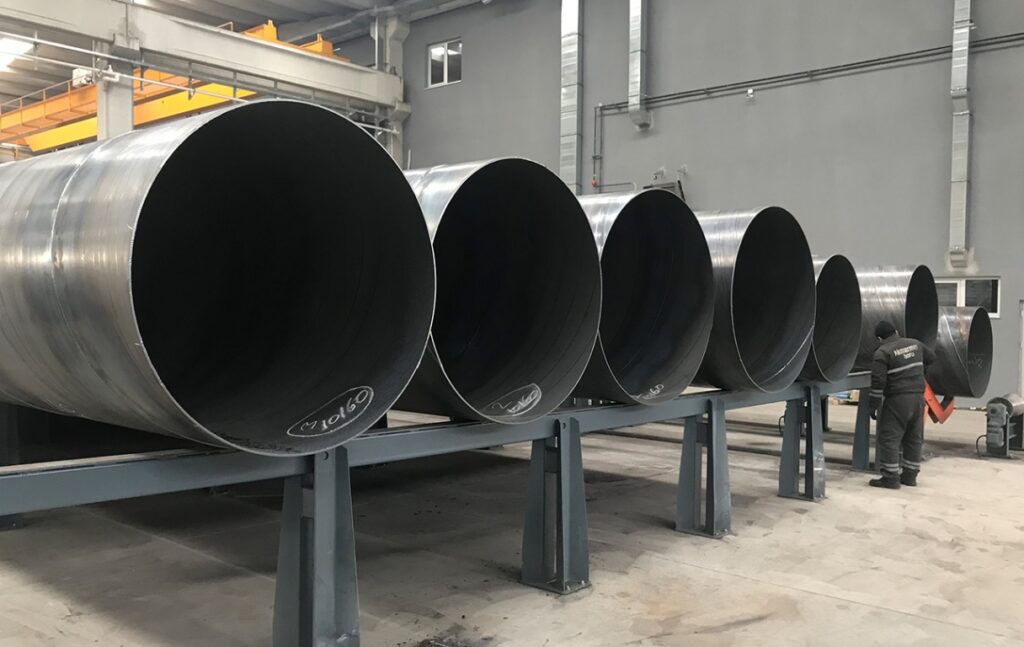
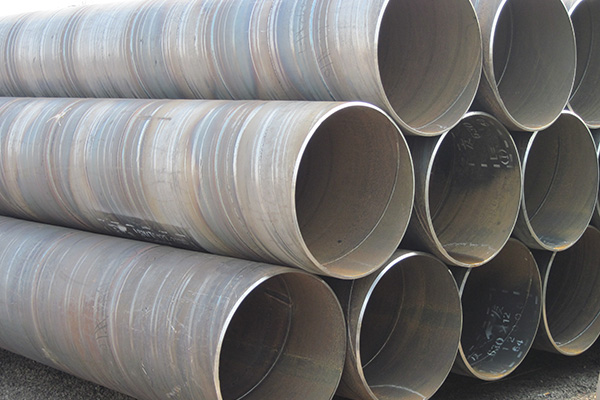
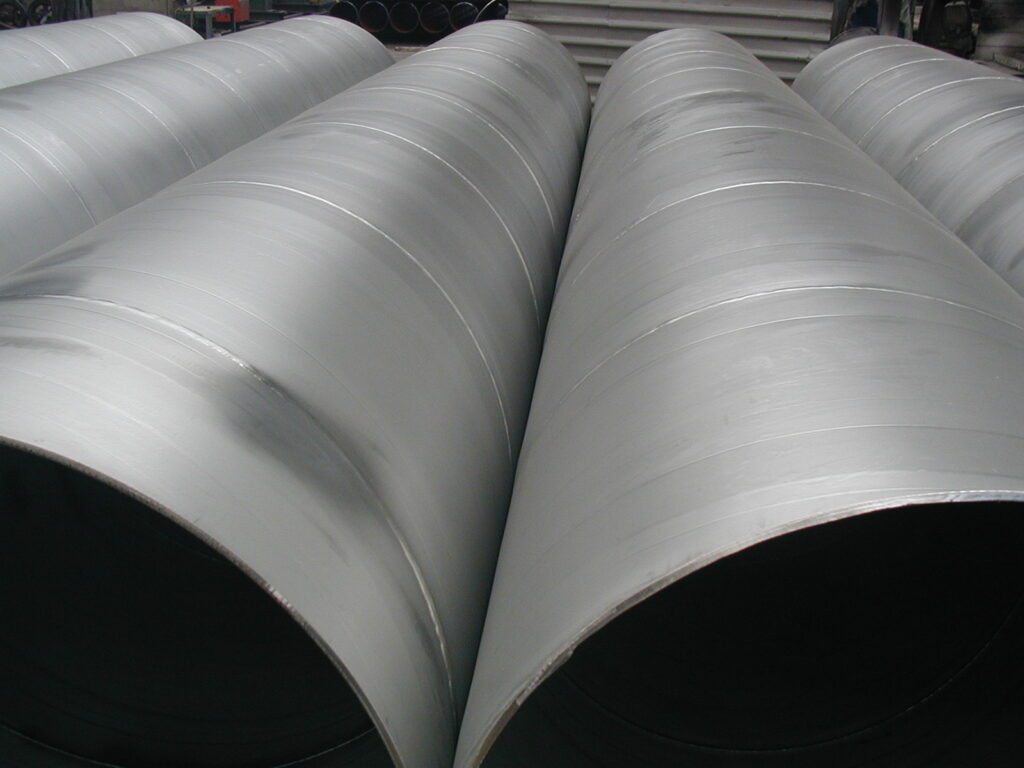
Spiral welded steel pipe is produced from steel strip, also called coil. The strip is fed into a forming machine, where it is continuously bent into a cylindrical shape at a specific spiral angle. The two edges meet along a helical line and are welded together, usually by submerged arc welding (SAW) both inside and outside the pipe.
This process allows manufacturers to produce a wide range of diameters and wall thicknesses without changing the main equipment. As a result, spiral welded steel pipe can be adapted to different pressure classes and design conditions, making it suitable for water, oil, gas and structural applications.
Typical Uses of Spiral Welded Steel Pipe
Because of its flexibility, spiral welded steel pipe appears in many sectors:
- Water transmission: long-distance pipelines for potable water, raw water and irrigation systems.
- Oil and gas: onshore lines transporting crude oil, refined products and natural gas.
- Piling and foundations: pipe piles for bridges, ports, marine structures and high-rise buildings.
- Industrial facilities: cooling water networks, fire-fighting systems and process lines.
- Structural uses: columns and casings in various civil engineering projects.
In each of these applications, the combination of high strength, good weld quality and competitive cost makes spiral welded steel pipe a practical choice, especially in large diameters.
Main Advantages Compared to Other Pipe Types
When designing a pipeline, engineers often compare spiral welded steel pipe with longitudinal welded pipe and seamless pipe. Seamless pipe has excellent mechanical properties but is expensive and limited in diameter. Longitudinal welded pipe is strong but can be less economical for very large sizes.
Spiral welded steel pipe, on the other hand, provides a strong and reliable solution with lower production cost for big diameters. Because the weld follows a spiral path, stress is distributed more evenly around the pipe body. Long manufacturing lengths reduce the number of field welds, which saves time and minimises potential weak points in the line.
When Should You Choose Spiral Welded Steel Pipe?
You should consider spiral welded steel pipe when your project requires large diameters, long transmission distances and a balance between performance and budget. It is an excellent option for water transmission, district heating, oil and gas lines, as well as piling and structural work.
If your design includes high internal pressure, demanding soil conditions or aggressive media, you can combine spiral welded steel pipe with suitable external coating and internal lining systems. By doing so, you create a pipeline that is both mechanically strong and highly resistant to corrosion, ensuring long-term, trouble-free operation.
In summary, spiral welded steel pipe offers a smart compromise between cost and performance. Understanding how it is produced and where it performs best will help you choose the right solution for your next infrastructure project.